Children with the gift of sensitivity
Have you ever wondered why some children seem to feel everything so deeply? They may cry easily, notice the tiniest change in a room or refuse to wear a shirt because the tag feels “too scratchy.” These same children are often especially attuned to the feelings of others. They may quickly notice when someone is left out, be deeply moved by a kind gesture or offer comfort when a friend is hurting. This depth of feeling was first highlighted by the groundbreaking research of psychologist Dr. Elaine Aron. She identified that an estimated 15 to 20 percent of children are born as Highly Sensitive Children (HSC). Beneath the tears, worries and big reactions often lies a remarkable gift.
Dr. Aron stresses that it is essential for parents and educators to understand that these children aren't acting out, looking for attention or being intentionally difficult. Most importantly, her work firmly establishes that high sensitivity is absolutely not a disorder, a medical diagnosis, a deficit or a mental health condition. She differentiates how this trait differs from other types of diagnoses.
Dubbed “Sensory Processing Sensitivity” (SPS), it is a neutral, deeply ingrained temperament trait, not a weakness. It is simply a different, highly attuned way of processing the nervous system and experiencing the world. Highly sensitive children often process experiences deeply and notice details others may miss. Their sensitivity can help them develop empathy, creativity, compassion and a strong appreciation for the world around them. They may be the children who ask thoughtful questions, notice beauty in everyday moments or show remarkable kindness and understanding toward others beyond their years.
Therefore, the goal is not to change a child's sensitive nature, but to help children understand and manage their emotions while recognizing and embracing the qualities that make their sensitivity a gift.
Differentiating Highly Sensitive Children: High sensitivity manifests across a predictable cluster of traits. Dr. Aron used the acronym D.O.E.S. to group these foundational characteristics:
Depth of Processing: These children think about things deeply, ask profound or philosophical questions at a young age and need more time to make decisions
because they are weighing all possible outcomes.
Overstimulation: Because their brains absorb every sound, sight, smell and emotional undercurrent, their nervous systems can easily short-circuit. What looks like a behavioural meltdown is often just neurological exhaustion.
Emotional Responsiveness and Empathy: They feel joy, sadness and fear with incredible intensity. They are deeply empathetic, absorbing the moods of the people around them and showing immense compassion for animals and others.
Sensing the Subtle: They are the first to notice small changes that others miss entirely, such as a clock ticking in a quiet room, a minor shift in a person's tone of voice or a slight rearrangement of furniture.
Moving from vulnerability to strength: Because an HSC's nervous system operates at a high volume, traditional "toughening them up" disciplinary tactics usually backfire. Instead, the goal is gentle guidance. By validating their emotions ("I see you're feeling overwhelmed, and that's okay"), we give them the security they need to navigate a loud world.
When highly sensitive children are misunderstood, they can easily internalize the message that something is "wrong" with them. But when we accept high sensitivity as a natural human variation rather than a disorder, we unlock its true potential. With the right support, these deeply observant, big-hearted children blossom into exceptionally creative, conscientious and empathetic leaders.
Every child experiences emotions differently. Sensitivity is not, in itself, a disorder, and intense emotions can have many causes. If emotional difficulties persist, interfere with daily life or cause significant distress, consider consulting a qualified mental health professional for guidance.
Sensitivity is not something to be fixed or overcome. With understanding, patience and the right tools, children can learn to manage their big feelings while embracing the qualities that make them unique. What may sometimes feel like a challenge can also be a gift.
Recommended reading
For parents:
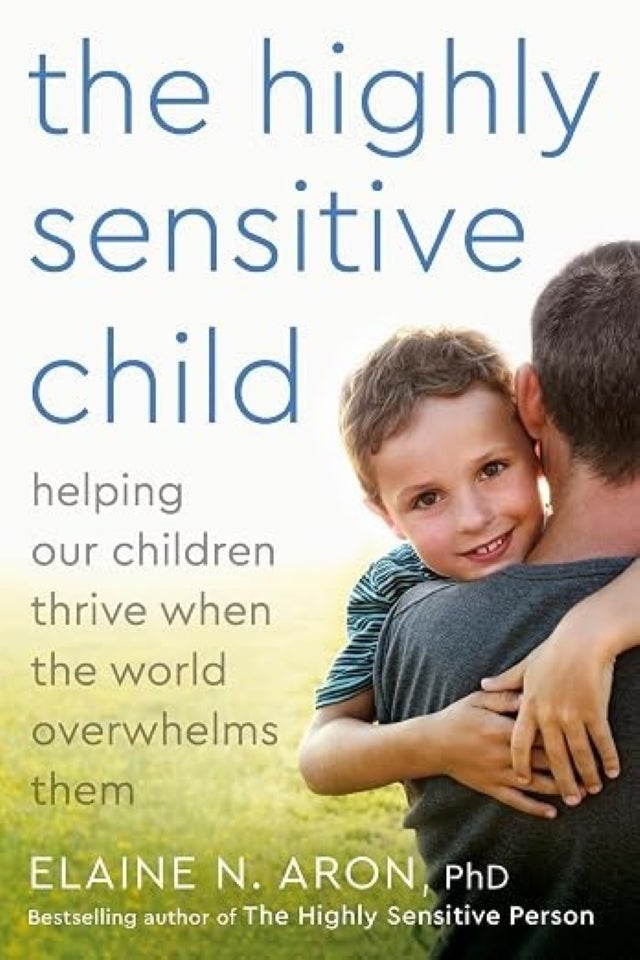
- The Highly Sensitive Child by Elaine N. Aron
- Brain-Body Parenting by Mona Delahooke
- The Whole-Brain Child by Daniel J. Siegel and Tina Payne Bryson
- How to Talk So Kids Will Listen & Listen So Kids Will Talk by Adele Faber and Elaine Mazlish
For children:
- A Rocky Start for Jack: A Journey Towards Self-Acceptance for Highly Sensitive Children by Jennifer Lewy and Dina Lewy
The Color Monster by Anna Llenas - Listening to My Body by Gabi Garcia
- The Rabbit Listened by Cori Doerrfeld