

C’est ma soeur: A timeless love story on sisterhood
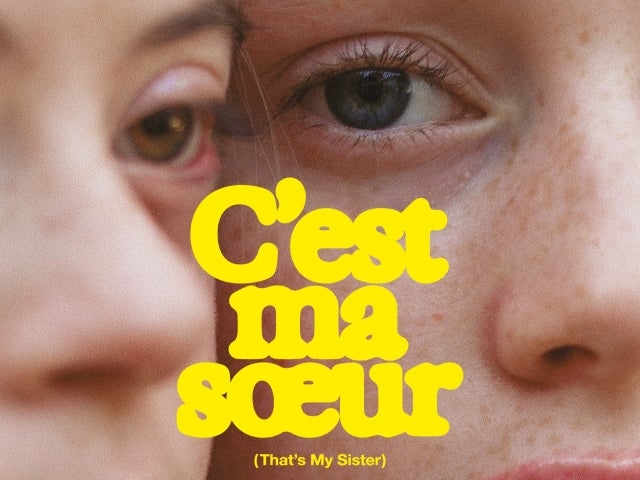
In her latest short film, C’est ma sœur (That’s My Sister), Montreal-based filmmaker Zoé Pelchat continues her artistic streak of coming-of-age, character-driven storytelling. Following the success of her drama Gaby les collines, Pelchat returnedto the Berlin International Film Festival this past February with her new 14-minute short film that navigates inclusivity and the harsh realities of social prejudice.
The film follows Camille (Florence Saint-Yves), a young woman with Down syndrome who has a sole goal during the summer: to join a dance company. Having spent months alone in her room perfecting her choreography, she enters an audition room with confidence and determination. Accompanying her is her younger sister, Agathe (Anne Florence), who has put her own life on hold to chaperone Camille. Pelchat aimed to capture Agathe’s obligation as one where affection and the burden of care intertwine.
The chemistry between Saint-Yves and Florence is the film’s heartbeat. Saint-Yves portrayed Camille’s courage flawlessly, while Florence’s character arc from a distracted sister to an empowered advocate provides the film with a unique, cathartic power. Filmed by Vincent Gonneville in September 2025, the entirety of the short was shot on 16mm. This gave the project a rich, warm and highly relatable visual language that almost transcended time. As the audience, we couldn’t tell what era the film took place in, but it didn’t matter; the ambiguity is exactly what enhances the story. “To tell this story, I wanted to create a luminous and imperfect world by capturing the two sisters on film, in a suburb suspended in time. I wanted to present Camille’s character as the sun of the film, Agathe as the moon, and for there to be an exchange of light between the two…” said Pelchat.
C’est ma sœur is more than just a film about discrimination and the complexities of sisterhood. As Pelchat notes, “... it’s a love story.” The screenplay, which feels deeply personal and authentic, was written by Léalie Ferland Tanguay, who drew from her own family’s experiences. Tanguay wanted to focus on the “subtle discrimination” that is often overlooked in broader society today. When speaking about the characters that Tanguay created, Pelchat shared, “...I hope that people will be touched by them and recognize themselves in the complex and moving bond they share.”